So You Signed an HVAC Contract—Here’s What Really Happens Next
After years in HVAC—coordinating installs, juggling schedules, chasing down parts, and talking homeowners through the whole thing—I’ve seen the real side of what happens after someone signs on the dotted line. It’s not a magic switch. It’s a process. And if you’ve ever wondered what’s actually going on behind the scenes before that cool air kicks on, here’s a peek into what’s happening while you wait.
🔧 Behind the Scenes: What Kicks Off the HVAC Install Process
Sourcing Your System
Even if your contractor says your new system is “in stock,” that doesn’t always mean it’s sitting on a shelf, ready to go. HVAC equipment moves fast, especially in peak season. Your coordinator is probably triple-checking model numbers, making sure the accessories are correct, and confirming delivery dates. If something is backordered, they’re already troubleshooting the workaround.
Gathering the Gear
It’s not just about the big equipment. We’re talking drain pans, line sets, flue pipes, breakers, thermostats—the little things that make a big difference when install day hits. A good team pulls these together ahead of time so no one's running to the supply house in the middle of the job.
Scheduling Around the Chaos
Crews, permits, delivery trucks, weather—it all has to line up. And trust me, it doesn’t always cooperate. Your install date might shift a little if it storms, if a permit takes longer, or if the crew has a delay on another job. A solid company will keep you updated, but flexibility goes a long way here.
Permits (AKA the Waiting Game)
Depending on where you live, getting the right permits could take a few hours or a few days. Bigger or more complicated jobs (think crane lifts or commercial installs) might take even longer. It’s not exciting, but it’s necessary—and it's in motion once your contract is signed.
🏡 Expectation vs. Reality: The Truth About Install Day
What people often expect:
The crew shows up at 9. By dinner, cool air is flowing. Easy.
Reality:
Some installs do go that smoothly—but others take longer, especially if ductwork needs adjusting, electrical panels need upgrades, or something unexpected pops up (which it often does). Also: it’s loud. You’ll probably have a team of techs going in and out, power tools buzzing, and maybe your attic hatch open all day.
Another assumption:
Once the installers arrive, you can just stay out of the way.
What actually helps:
Clearing paths to attics, garages, panels, and thermostats saves time. Being reachable for questions or decisions keeps the job moving. And yep—keeping pets and kids out of work zones really helps everyone stay safe.
🛠 Why Who Installs Your System Matters More Than What Brand You Buy
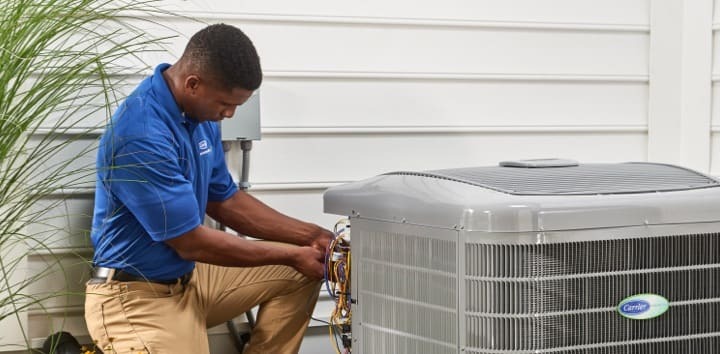
People love to talk about brands—“Is Trane better than Lennox? What about Carrier?” Here’s a reality check: even the best system on the market won’t run well if it’s installed badly.
Good equipment can still underperform—or break down faster—if your installer cuts corners. On the flip side, a skilled, detail-focused installer can make even a mid-range system run like a champ.
Here’s what a great installer does (and it’s not just following a checklist):
- Seals your system tight, inside and out, to stop air leaks that kill efficiency
- Checks your ductwork situation, even if they’re not touching it, to catch any airflow issues the sales rep might’ve missed
- Balances the airflow so all rooms feel consistent—not just the ones closest to the unit
- Calculates the refrigerant charge correctly, taking line set length and system specs into account
- Secures all gas and electrical connections to code—safely and cleanly
- Tests everything before leaving, from temps to pressure to airflow, and makes adjustments as needed
You’re not just buying equipment. You’re investing in the people putting it together. And that’s what really determines how well your system performs.
🙌 Want to Be a Rockstar Customer?
Want your install to go smoothly (and maybe even faster)? Here’s how to help:
- Clear access to attics, crawl spaces, and panels
- Be reachable—the person who signed the contract should be around or on call for quick decisions
- Keep pets and kids out of the way for safety and sanity
- Speak up early about thermostat placement or system preferences
Let the crew work—it might look messy before it looks good, but they’ve got a plan
☀️ Bonus Tip: Be a Summer Hero
If your install is happening during peak summer, especially in the South, your attic might hit 140°F. That’s no exaggeration. Techs are sweating it out in brutal heat. Having water, sports drinks, or a protein snack on hand is a small gesture that goes a long way. In fact, in rare cases, it could help prevent a heat-related emergency.
🤝 Final Thoughts:
An HVAC install isn’t just a drop-off and plug-in. It’s a coordinated, moving process that works best when the homeowners and the install team are on the same page. Ask questions. Stay in the loop. And know that when it’s done right, that new system will keep you comfortable for years to come.
Post a comment