
Camping Greener: 7 Easy Ways to Be Kind to Nature Without Giving Up Comfort
Camping is one of my favorite ways to reset. There’s nothing like getting out in the woods, unplugging from all the noise, and waking up to birds instead of a phone alarm. But here’s the thing—camping isn’t always as “natural” as we like to think. Between plastic wrappers, disposable gear, and driving hours to get there, we sometimes leave a bigger footprint than we realize.
The good news? You don’t have to give up comfort to camp cleaner. A few easy swaps and mindful choices can make your next trip way more eco-friendly—without turning it into a full-on survival challenge. Here are seven simple ways to go greener and still keep the good vibes rolling.
1. Ditch Disposables
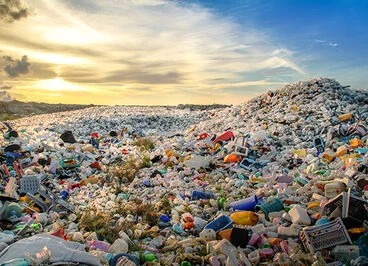
Paper plates, plastic forks, red solo cups… they’re camping classics, sure—but they also create a mountain of trash by the end of the weekend. One of the easiest ways to cut waste is to bring your own reusable dishware.
A lightweight set of camping plates, bowls, and utensils takes up almost no space and can be rinsed off at your site. Toss in a small bin or bag for dirty dishes and you’re set. Bonus: your fork won’t snap in half when you’re trying to cut a hot dog.
You can even go next-level with cloth napkins or reusable towels instead of paper ones. It feels like a small change, but it adds up big when you consider how much trash a single campsite can generate over a weekend.
2. Refill > Single-Use
Those mini propane canisters? The endless stash of bottled water? They’re convenient, yeah—but they’re also wasteful and expensive over time.
Instead, bring refillable gear whenever you can. Use a large water jug with a spout for drinking and cooking instead of a pack of plastic bottles. Refill smaller reusable bottles as needed. Same goes for soap and toiletries—ditch the hotel-size stuff and fill up from home.
If you use propane, look into refillable canisters or at least recycle the single-use ones properly (a lot of people don’t). It’s all about swapping convenience for sustainability—without losing the convenience.
3. Leave No Trace (Like, Actually)
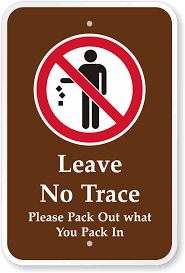
We all say we leave no trace—but then someone forgets a beer can behind a tree or dumps gray water way too close to the creek. Respecting nature goes beyond just packing out your trash—it’s about being mindful from the minute you set up camp.
Bring trash bags and use them. Take everything with you—including tiny stuff like twist ties, food scraps, and cigarette butts. Don’t burn trash (yes, even paper—it still leaves behind residue and chemicals). And never, ever leave used toilet paper behind. Pack it out, bury it, or use a camp toilet if your site doesn't have facilities.
Leave the space better than you found it. Future you—and the next camper—will thank you.
4. Switch to Solar
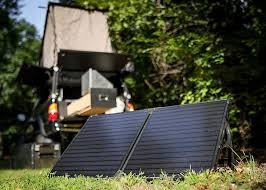
Skip the batteries and go solar—it’s one of the easiest upgrades you can make. Rechargeable solar lanterns, headlamps, and string lights are perfect for camping, and they’ll save you from the “oh no, the batteries are dead and it’s pitch black” struggle.
Most solar gear charges during the day and lasts all night. Some even double as power banks so you can charge your phone (if you’re not trying to go completely off-grid). It’s a one-time buy that cuts down on waste, saves money, and makes your campsite feel like a cozy little haven.
5. Rethink Your Fire Game
Campfires are iconic, but they’re also a major source of pollution—and if you’re not careful, a wildfire risk. Always follow local fire rules and burn only local firewood. Bringing wood from home can spread pests and diseases that mess up local ecosystems.
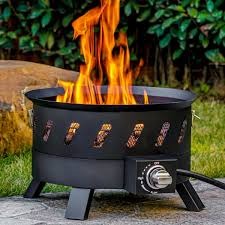
Want an easier, cleaner option? A small portable camp stove or propane fire pit can be a game-changer. They’re safer, cleaner-burning, and perfect for Leave No Trace areas where real fires aren’t allowed. Plus, you won’t go to bed smelling like you rolled in smoke.
It’s all about enjoying the warmth without burning down the forest—or your lungs.
.

6. Choose Gear That Lasts (or Already Has)
Cheap gear breaks. Fast. And when it does, it usually ends up in the trash. One of the best ways to reduce waste while camping is to invest in stuff that actually lasts—or better yet, buy secondhand.
Check out thrift stores, Facebook Marketplace, or outdoor gear resale sites. You’d be surprised how many people buy fancy tents or sleeping bags for one trip and never use them again. Not only does this save you money, it gives gear a second life and keeps it out of landfills.
And when you do buy new, go for quality—reusable, repairable, and made from sustainable materials when possible. It’s better for the planet and your packing list.

7. Camp Closer to Home
Epic road trips are fun, but the farther you drive, the bigger your carbon footprint. Choosing campgrounds closer to home is one of the most overlooked ways to reduce your environmental impact.
There’s probably a hidden gem within an hour or two of you—less gas, less time on the road, and more time actually enjoying the outdoors. Plus, if something goes sideways (like forgetting your sleeping bag… not speaking from experience), you’re not five hours from a fix.
Camping locally also supports state parks and preserves, which helps keep those places open and protected for the next adventure.
Final Thoughts
You don't need to be a minimalist van-lifer or a wilderness expert to camp greener. A few intentional choices—like using reusable gear, minimizing waste, and respecting wildlife—can significantly reduce your environmental impact.
Embracing sustainable camping not only benefits the planet but also enhances your connection to nature. By treading lightly, you preserve the beauty of the outdoors for future adventurers and create a more fulfilling experience for yourself.
So, pack smarter, tread lighter, and immerse yourself in the natural world. It's not about perfection; it's about making better choices, one trip at a time.
Post a comment