🌿To Prop or Not: A Beginner’s Guide to Houseplant Propagation
Your pothos is trailing like it’s auditioning for the rainforest. The spider plant keeps popping out babies like it’s got something to prove. And now you’re wondering: Can I actually make more plants from the ones I already have?
The answer is yes. And no—you don’t need a grow light, a greenhouse, or a horticulture degree to do it.
Plant propagation is just a fancy way of saying: “Let’s make more plants from this plant.” It’s one part science, one part patience, and about ten parts fun.
✂️ First: What Is Propagation?
Propagation is simply growing new plants from pieces of existing ones. It’s like nature’s version of the ‘copy and paste’ button. Whether it’s a stem snip, a stray leaf, or a baby sprout (aka a pup), there are lots of ways to go about it—and you don’t need a jungle of supplies to get started.
How to Propagate Houseplants: 4 Easy Methods for Beginners
1. Stem Cuttings
✅ Great for: Pothos, philodendron, inch plant, and other vining types
How-To:
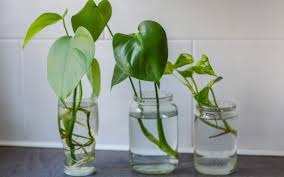
Take a healthy stem and cut just below a leaf node—that’s the knobby bit where new roots sprout. Pop it in water or moist soil. Just make sure the node is under the surface.
Pro Tip:
Change the water every few days to keep it fresh. When roots are about 2–3 inches long, it’s time to move the new plant to a pot.
2. Leaf Cuttings
✅ Great for: Snake plants, succulents, and other sturdy leaf growers
How-To:
Take a full leaf and let it air out for a day or two—this helps prevent rot. Once the cut edge has scabbed over, place the leaf on top of damp soil.
Pro Tip:
This method takes patience. You might not see much for a few weeks—but resist the urge to dig around. Roots work best when left alone.
3. Division
✅ Great for: Peace lilies, ZZ plants, ferns, and bushy types
How-To:
Gently remove the plant from its pot and split the root ball into smaller, healthy sections. Each one should have its own roots and leaves. Repot them individually.
Pro Tip:
Give freshly divided plants a calm spot to settle in. A little extra TLC while they’re adjusting goes a long way.
4. Offsets (aka Pups)
✅ Great for: Spider plants, aloe, bromeliads
How-To:
Wait until the pup has roots of its own, then gently remove it from the parent plant and rehome it in fresh soil.
Pro Tip:
If it still looks tiny and fragile, give it a little more time to grow before cutting the cord.
Up for a Challenge? Try Air Layering
Best for tall houseplants like fiddle leaf figs or rubber trees.
Quick How-To:
- Choose a healthy stem
- Make a small cut halfway into it
- Pack the wound with damp moss
- Wrap it in plastic and seal it
- Wait 4–8 weeks for roots to form
- Once roots are visible, cut below the moss and pot it up
Why It Works:
The plant keeps getting nutrients from the main stem while new roots develop—giving you a head start on a strong, self-sustaining clone.
Bonus Tips to Make Propagation Go Smoother
- Propagate in spring or early summer for best results
- Use clean tools to prevent bacteria or fungus
- High humidity helps—a plastic bag or dome can boost success
Don’t rush it—cuttings take time to root, so hands off and let nature work
Post a comment